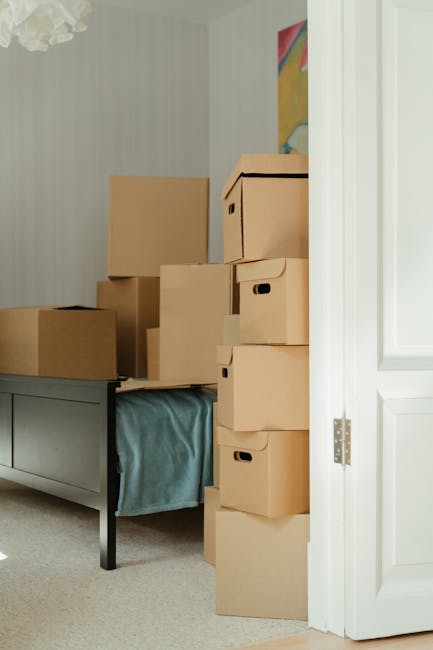
Moving out of a flat on Colney Hatch Lane in New Southgate can feel straightforward right up until the boxes pile up, the stairs narrow, and the lift decides to be unhelpful. Flats are often a different kind of move from a house move: tighter access, shared entrances, parking limitations, awkward corners, and neighbours who definitely notice a trolley wheel at 7 a.m.
This guide pulls together practical moving tips for Colney Hatch Lane flats in New Southgate so you can plan sensibly, protect your belongings, and avoid the common mistakes that turn a manageable move into an exhausting one. Whether you are relocating from a studio, a one-bed apartment, or a top-floor flat, the key is not brute force. It is planning, sequencing, and knowing which jobs are better handled with the right support.
Along the way, you will find advice on packing, lifting, access, cleaning, storage, and choosing the right removal support. If you want to go deeper on related moving tasks, it may also help to read our guides on packing essentials for a smoother move and decluttering before moving.
Table of Contents
- Why Moving Tips for Colney Hatch Lane Flats in New Southgate Matters
- How Moving Tips for Colney Hatch Lane Flats in New Southgate Works
- Key Benefits and Practical Advantages
- Who This Is For and When It Makes Sense
- Step-by-Step Guidance
- Expert Tips for Better Results
- Common Mistakes to Avoid
- Tools, Resources and Recommendations
- Law, Compliance, Standards, or Best Practice
- Options, Methods, or Comparison Table
- Case Study or Real-World Example
- Practical Checklist
- Conclusion
- Frequently Asked Questions
Why Moving Tips for Colney Hatch Lane Flats in New Southgate Matters
Flat moves are usually less forgiving than people expect. Unlike a house with a wide hallway and a driveway, a flat move may involve shared corridors, stairwells, small lifts, timed access, and limited space for staging items. On Colney Hatch Lane, those practical constraints can matter as much as the distance to your new address.
Good moving tips matter because they help you solve problems before they appear. For example, if your sofa will not turn in the hallway, that is not a day-of-move surprise you want to discover while three people are standing around it. The same goes for fridge-freezers, mattresses, mirrors, and anything with awkward dimensions.
There is also the issue of timing. Flat moves often need to fit around building rules, loading points, work patterns, and neighbour sensitivity. A well-organised move is usually calmer, cheaper in labour time, and far less likely to damage walls or flooring. If you are reducing your load first, the advice in our decluttering guide is especially useful in a flat setting where storage space is often limited.
How Moving Tips for Colney Hatch Lane Flats in New Southgate Works
The practical approach is simple: assess the building, reduce the volume, protect the high-risk items, and plan the loading sequence. Flat moves work best when you treat the property like a moving puzzle rather than a general house clearance.
Start by checking four things: access, parking, item size, and building rules. Then decide what you will move yourself and what should go with a professional service or a larger removal van. That is the real difference between a smooth move and a frustrating one.
Many readers underestimate how much organisation is needed for apartment moves. A few boxes can be carried by hand; a full flat's worth of furniture and white goods usually cannot. If you are handling anything heavy, the advice in this heavy-lifting guide can help you understand the risks before you try to improvise.
In practical terms, the process usually looks like this:
- Survey the route from flat to vehicle.
- Measure bulky furniture and note fragile items.
- Book access, parking, or lift use where necessary.
- Pack by room and label clearly.
- Prepare a first-night essentials box.
- Load the vehicle in a logical sequence.
- Unload into zones at the new flat to avoid clutter.
That structure may sound basic, but it prevents a lot of chaos. Truth be told, chaos is expensive when it happens on moving day.
Key Benefits and Practical Advantages
When you apply good flat-moving advice, the benefits show up quickly. The move becomes easier to control, safer for everyone involved, and much more likely to finish on schedule.
- Less damage risk: Careful wrapping and measured lifting reduce knocks, scrapes, and crushed corners.
- Faster loading: A planned order means the van is packed efficiently rather than repacked repeatedly.
- Lower stress: Clear labels and a simple timeline remove a lot of last-minute decision-making.
- Better use of space: Flat moves often involve compact vehicles and small access points, so packing density matters.
- Less neighbour disruption: Quicker, tidier handling is simply more considerate in shared buildings.
There is also a financial advantage. Even if you are paying for help, a better-organised flat move usually takes less time than a poorly prepared one. That can make a genuine difference when you are comparing options such as man and van support in New Southgate, full-service removals, or a larger one-off vehicle hire.
If you are moving furniture rather than a whole property, our page on furniture removals shows the kind of support that can be useful when the job is less about volume and more about careful handling.
Who This Is For and When It Makes Sense
This advice is relevant for anyone moving from a flat, apartment, or converted property on or near Colney Hatch Lane. It is especially helpful if you have stairs, a narrow entrance, or large furniture that will not easily fit through tight spaces.
It makes sense if you are:
- moving from a studio, one-bed, or two-bed flat;
- sharing the building with other residents and need to move considerately;
- handling a move around work, study, or family commitments;
- transporting delicate furniture, mirrors, or appliances;
- trying to avoid overpaying for unnecessary van time;
- moving on a short deadline and need a simple plan.
Students and first-time renters often find flat moves the trickiest because they do not yet have a house's worth of storage or moving equipment. If that sounds familiar, you may also want to review student removals support and compare it with a flexible removal services option in New Southgate.
It also makes sense if you are trying to manage the move yourself but suspect one or two pieces are too awkward. A single heavy wardrobe or a piano changes the whole equation. In those cases, specialist support is not overkill; it is common sense.
Step-by-Step Guidance
Here is a practical way to handle a Colney Hatch Lane flat move without turning the week into a blur.
1. Start with a room-by-room reset
Walk through the flat and list what is going, what is being donated, what needs storage, and what should be thrown away responsibly. Do not pack around clutter. It wastes boxes and creates confusion. If you need a stronger method for clearing out beforehand, the advice in this decluttering article is a good companion piece.
2. Measure your awkward items early
Take dimensions of beds, sofas, wardrobes, washing machines, and anything bulky. Then compare those measurements with stairwells, doors, lifts, and turning points. This is especially important in flats because the actual route can be tighter than the room itself.
If you are moving a bed, the guidance in our mattress and bed moving guide is worth reading before you start dismantling anything.
3. Pack by category, not by mood
One box for books, one for kitchen items, one for cables, one for bathroom essentials. Mixed boxes are the enemy of a calm unpack. Label each box on the top and at least one side. If a box contains fragile items, mark it clearly and keep the weight sensible.
For more structured packing advice, see packing essentials for a seamless move and packing tips that make the whole process simpler.
4. Prepare appliances properly
Fridges and freezers need attention before transport. Empty them, defrost them if needed, clean them, and let them dry fully. That avoids smells, leaks, and mould growth during the move. A useful step-by-step resource is how to clean fridge-freezers before moving. If your appliance will be idle for a while, you should also read strategies for protecting a freezer during non-use.
5. Protect furniture and delicate finishes
Use blankets, stretch wrap, mattress covers, and corner protection where needed. In flats, furniture is more likely to brush a wall or snag on a banister. That is why you should wrap before you start carrying, not after the first scrape.
If you are placing a sofa into storage between tenancies, the advice in expert sofa storage techniques is useful for avoiding unnecessary wear.
6. Load in the right order
Heavy, sturdy items should go in first, with lighter and more fragile items placed where they will not be crushed. Keep your essentials bag and documents separate so they do not disappear under the contents of a van. That bag should include keys, ID, charging cables, snacks, medication if relevant, and a change of clothes.
7. Finish with a clean handover
Once the flat is empty, do a final sweep for keys, chargers, cupboards, and overlooked items such as curtain hooks or corner shelves. Many tenancy agreements expect the property to be left in a reasonably clean condition, so leaving yourself enough time to tidy is smart. This is where cleaning tips before moving out can save you a lot of bother later.
Expert Tips for Better Results
These are the small details that often make the biggest difference.
- Use a short moving window: Keep the most active part of the move compact. Long, drawn-out moves are harder on neighbours, parking, and your energy.
- Reserve an "open first" box: Put kettle, mugs, toilet roll, phone charger, scissors, and basic cleaning cloths in one clearly marked box.
- Disassemble selectively: Do not dismantle every item automatically. Only take apart what genuinely needs it.
- Protect corners and door frames: A few sheets, blankets, or fitted protectors can prevent a lot of avoidable damage.
- Keep hardware together: Put screws and fittings in labelled bags and tape them to the relevant furniture piece.
- Plan for one bottleneck: In many flats, there is one awkward staircase, corner, or doorway. Identify it in advance and assign the strongest, calmest person to that part.
One small but practical observation: the more you sort early, the less you argue with yourself on moving day. That sounds obvious, but moving tends to expose every undeclared box of random cables you have been ignoring for years.
If you want a broader overview of how a move should feel when it is well managed, our guide on moving house with ease and comfort is a helpful reference point.
Common Mistakes to Avoid
Flat moves are full of avoidable errors. Most of them are not dramatic on their own, but they pile up fast.
- Underestimating access: A van parked "nearby" may still not be close enough for safe loading.
- Packing too late: Last-minute packing leads to broken items and unlabeled boxes.
- Ignoring building rules: Some flats have booking systems, lift restrictions, or shared access expectations.
- Using oversized boxes: Large boxes encourage overpacking and become awkward on stairs.
- Trying to move too much alone: Solo lifting is where the real risk begins. If you are unsure, read how to handle heavy tasks safely before deciding to do it yourself.
- Forgetting white goods prep: A damp or dirty appliance can create problems in transit and when unloading.
- Not reserving time for cleaning: Leaving cleaning until the last ten minutes is a classic way to create unnecessary stress.
The biggest mistake, though, is assuming a flat move is small enough to improvise. In reality, small spaces often require more precision, not less.
Tools, Resources and Recommendations
You do not need a warehouse of equipment, but a few sensible tools will make the job much easier.
- Strong boxes: Use a mix of small and medium boxes so weight stays manageable.
- Packing tape and dispenser: A simple tape gun saves time and reduces poorly sealed boxes.
- Furniture blankets: Useful for protecting wood, glass, and upholstered items.
- Bubble wrap or paper wrap: Better for fragile kitchenware, lamps, and decor.
- Mattress bags: Helpful if you need to keep a mattress clean and dry.
- Dolly or trolley: Valuable when building rules and access allow it.
- Labels and marker pens: Simple, but essential.
On the service side, readers often compare a local man with a van with a broader removal services package. If you need secure short-term holding space, storage support and the related storage options are worth reviewing as well.
If you are simply looking for boxes, wrapping materials, or packing support, the dedicated packing and boxes service is a sensible place to start.
Law, Compliance, Standards, or Best Practice
For most domestic flat moves, the main compliance issues are practical rather than legal. Still, a few standards and best-practice points are worth keeping in mind.
First, check your tenancy agreement or building rules. Some properties require advance notice for moving times, lift bookings, or parking arrangements. That is not unusual, and ignoring it can make moving day awkward very quickly.
Second, think about insurance and liability. If you are hiring help, it is reasonable to ask how items are handled and what cover is in place. You should also understand the difference between basic carrying support and full transit protection. For a clearer overview, see insurance and safety information and the company's health and safety policy.
Third, best practice in moving is to avoid unsafe manual handling. Heavy lifting, twisting, and carrying items down stairs without a clear route all raise the chance of injury. Professional movers are generally trained to reduce those risks with planning, equipment, and technique. If you are curious about handling methods, the article on kinetic lifting gives useful background on movement and body mechanics.
Finally, dispose of waste responsibly. Old packaging, broken items, and unusable furniture should be handled with care and in line with local recycling expectations. If sustainability matters to you, it is worth checking the business's recycling and sustainability approach.
Options, Methods, or Comparison Table
Different flat moves call for different levels of support. The right choice depends on how much you own, how much access you have, and how confident you are with lifting and transport.
| Move Type | Best For | Strengths | Trade-Offs |
|---|---|---|---|
| DIY with car trips | Very small moves and student-style loads | Low direct cost, flexible timing | Time-consuming, limited capacity, higher physical effort |
| Man and van | Flat moves with moderate furniture and boxes | Good balance of cost and convenience, efficient loading | Less capacity than a full removals team |
| Full removals service | Larger flats, fragile items, or tight access | More support, better for bulky furniture, less lifting for you | Usually the most expensive option |
| Storage plus move | Gap between tenancies or downsizing | Gives breathing space and reduces pressure on moving day | Extra planning and potential storage cost |
If your move is small and straightforward, a flexible vehicle service may be enough. If your sofa, bed, and white goods all need careful handling, a larger removals solution is usually the better choice. For nearby service comparisons, the pages on flat removals in New Southgate and general removals are useful next steps.
Case Study or Real-World Example
Consider a typical one-bedroom flat move from Colney Hatch Lane to another part of North London. The flat has one narrow staircase, a shared entrance, a double bed, a small sofa, a table, a fridge-freezer, and roughly twenty boxes.
The move goes well because the resident starts early. They declutter first, separate fragile items, and dismantle the bed the night before. The fridge is emptied and cleaned, the sofa is wrapped, and the boxes are labelled by room. They also check the building access route and make sure the van can stop close enough for loading.
On the day, the actual loading takes less time than expected because nothing is being sorted mid-move. There are no "where does this go?" arguments. The mattress is easy to identify, the kitchen box is opened first at the new property, and the move finishes with enough energy left to clean and settle in.
What made the difference? Not luck. Preparation.
That is why the best moving tips for a flat are usually less about clever tricks and more about disciplined basics. If there is one thing to take from this example, it is that every task you finish before moving day saves you a headache later.
Practical Checklist
Use this checklist in the final week before your move.
- Measure large furniture and confirm it will fit through doors and stairs.
- Book or confirm parking and access arrangements where needed.
- Set aside boxes for essentials, fragile items, and documents.
- Defrost, clean, and dry your fridge-freezer if it is being moved.
- Disassemble beds or other bulky furniture that needs it.
- Wrap sofas, mirrors, and other vulnerable items.
- Label every box clearly with room and contents.
- Pack a first-night bag with basic toiletries, chargers, and snacks.
- Confirm keys, meter readings, and any handover details.
- Keep cleaning supplies aside for the final property check.
- Recheck that nothing is left in cupboards, lofts, or behind furniture.
- Plan disposal or recycling for anything you are not taking.
Key takeaway: a good flat move is rarely about moving faster. It is about removing friction before the first box is lifted.
Get a free quote today and see how much you can save.
Conclusion
Moving from a flat on Colney Hatch Lane in New Southgate does not need to be a stressful scramble. With the right plan, the job becomes far more manageable: measure first, pack with intent, protect your furniture, and be realistic about what should be moved by hand and what should be handled with proper equipment.
The flats themselves are not the problem. The problem is usually underestimating the details. Once you account for access, storage, lifting, and timing, you can make steady progress and avoid the common moving-day traps.
If you are comparing support options, reviewing the right service pages, or just trying to move a little smarter, the safest approach is usually the calm one. Plan well, keep the load sensible, and leave room for the unexpected. A move never goes exactly to script, but it can go very well indeed.
Frequently Asked Questions
What is the best way to move out of a Colney Hatch Lane flat?
The best approach is to measure bulky items early, declutter before packing, label boxes clearly, and plan access for the van or movers. In flats, good sequencing matters more than speed.
How do I move furniture through a narrow flat staircase?
Measure the furniture and the staircase before moving day. Remove legs, cushions, or drawers where possible, protect corners, and use two people or professional help for awkward items. If it still looks tight, do not force it.
Should I hire a man and van for a flat move?
For many flat moves, yes. A man and van service can be a practical middle ground between doing everything yourself and booking a full removals team. It is often a good fit for one-bed or small two-bed flats.
What should I pack first when moving from a flat?
Start with items you use least: seasonal clothes, spare linens, books, decor, and storage items. Leave daily essentials, bedding, toiletries, and chargers until the end.
How early should I book moving help in New Southgate?
As early as you can, especially if you are moving at month-end, on a weekend, or during a busy rental period. Earlier booking usually gives you more choice and a less stressful schedule.
Do I need to clean the flat before I leave?
In most tenancy situations, yes, you should leave the flat in a reasonably clean condition unless your agreement says otherwise. A final clean also helps with handover and avoids last-minute disputes.
What if my fridge-freezer needs to be moved?
Empty it, defrost it if needed, clean it thoroughly, and allow it to dry before transport. A fridge or freezer that is not prepared properly can leak, smell, or pick up mould during the move.
Can I move a bed and mattress by myself?
Sometimes a light bed frame can be handled alone if it is dismantled, but mattresses and larger frames are much easier and safer with help. If you are unsure, get assistance rather than risking injury.
What is the biggest mistake people make with flat moves?
The biggest mistake is assuming the move is too small to plan properly. Flat moves often involve more access issues and more careful handling than people expect.
Is storage useful during a flat move?
Yes, especially if your move-in and move-out dates do not line up or if you are downsizing. Temporary storage can reduce pressure and make the move less rushed.
How do I know whether I need full removals or just a smaller vehicle?
Look at the number of items, the size of your furniture, and how difficult the access is. If you have several bulky pieces or limited stair access, a full removals service may be the better choice. If the load is light and compact, a smaller vehicle may be enough.
What should I do on moving day to keep things calm?
Keep one essentials bag with keys, documents, chargers, and water. Confirm the route, stay focused on one room at a time, and do not leave loose items scattered around. A calm start usually leads to a calmer finish.
Where can I find more help with packing and moving in New Southgate?
Useful next steps include reading about packing and boxes support, reviewing removal company options in New Southgate, and checking the relevant service pages for flat or furniture removals. That gives you a better sense of what fits your move.