Enfield Council Permits for New Southgate Removals Explained
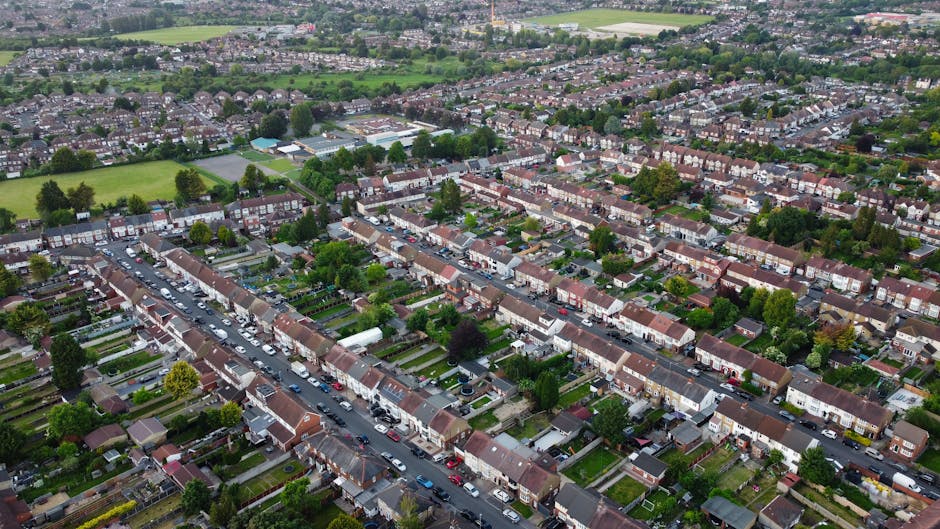
If you are planning a move in or around New Southgate, council rules can feel like the annoying bit nobody warned you about. One minute you are comparing boxes, the next you are wondering whether you need a bay suspension, a parking dispensation, or some kind of street permit before the van even turns up. This guide to Enfield Council Permits for New Southgate Removals Explained breaks it down in plain English, so you can plan the move properly, avoid delays, and keep the day calm enough to breathe.
Truth be told, most moving problems on the day are not about lifting furniture. They are about access. Can the van stop near the door? Is there enough space for a loading area? Will a suspended bay block the route? Those small details can turn a smooth move into a sweaty little puzzle. Let's fix that before it becomes your problem.
Why Enfield Council Permits for New Southgate Removals Explained Matters
For most household and office moves, parking is the hidden pressure point. New Southgate has a mix of residential streets, busier roads, permit-controlled parking, and awkwardly tight curb space that can make a removal vehicle's life difficult. If the van cannot stop safely and legally, everything slows down. You might end up with longer carrying distances, extra labour time, or a frustrated neighbour who cannot get past the lorry. Nobody wants that first thing in the morning.
Getting the permit side right matters because it protects three things: your time, your budget, and the actual move itself. A short delay while somebody circles the block is one thing. A parking ticket, or a vehicle being forced to park half a street away, is much worse. In practice, the permit question is not just administrative paperwork. It is part of move planning, like packing and route planning. If you use a man and van service, or a larger crew for a family house move, access can make the difference between a tidy same-day job and a messy one.
There is also a trust angle. When people ask a removals company whether permits are needed, they are really asking: "Will you help me avoid headaches?" A good answer is not a blunt yes or no. It is a practical review of the street, the vehicle size, and the loading conditions. That's the kind of thinking that matters in a place like New Southgate, where one road can be straightforward and the next one a little annoying, to be fair.
Expert summary: If your removal vehicle needs to stop on a controlled street, near a bay, or in a place where access is tight, check the permit requirement early. The cheapest moving day is usually the one where parking is sorted before the boxes are sealed.
How Enfield Council Permits for New Southgate Removals Explained Works
In simple terms, a permit or parking arrangement is the council's way of allowing a vehicle to stop in a controlled or restricted space for a valid purpose. For removals, that may mean a temporary parking suspension, a loading permission, or another type of parking arrangement depending on the street and the exact circumstances. The key thing is that the need is usually driven by access, not by the move itself.
The process normally starts with checking whether your address is within a controlled parking zone, whether there are bays outside the property, and whether the removal vehicle can legally stop without one. If the street is unrestricted, you may not need anything. If the street is controlled, you may need to plan ahead. The specifics can vary, which is why a quick check before moving day saves a lot of trouble later.
In the real world, the permit question usually links to the size of the vehicle and the type of move. A small removal van may fit in a loading bay more easily than a larger moving truck. A flat move on a busy road often needs more careful parking planning than a quiet cul-de-sac. A commercial move can need even more coordination, especially if there are time windows, staff access needs, or loading restrictions. If you are comparing options, pages like removal van hire and moving truck can help you think through vehicle size as part of the access plan.
Most issues happen when people assume the driver can just "pull up outside for a bit." Sometimes that works. Sometimes it absolutely doesn't. And parking wardens do not tend to admire optimism.
What usually triggers a permit or suspension request?
- A controlled parking bay outside the property
- A no-stopping or loading restriction on the street
- A need to reserve space for a removal van or truck
- Limited access caused by narrow roads, traffic calming, or parked cars
- Multiple addresses or back-to-back collections and deliveries
That is the practical version. Not glamorous, but very useful.
Key Benefits and Practical Advantages
When permit planning is handled properly, the move tends to feel calmer and more predictable. You are not waiting on someone to move their car. You are not dragging wardrobes a hundred metres down the road. You are not suddenly discovering that the only place the van can stop is already occupied by a delivery driver and a bin lorry.
Here are the biggest benefits in plain English:
- Faster loading and unloading: the vehicle can get closer to the property.
- Lower risk of parking penalties: legal stopping arrangements reduce the chance of fines or disputes.
- Less physical strain: shorter carry distances mean fewer trips and less awkward lifting.
- Better timing: the whole move is less likely to overrun.
- Cleaner coordination: everyone knows where the vehicle will be and for how long.
There is also a budget benefit that people overlook. A move that starts smoothly usually finishes smoothly. If the removal team has to make extra journeys from a distant parking spot, time can stretch, and with it the stress. That is why it is worth treating access as part of the move cost, not an afterthought. If you are still weighing up the best setup, the company's pricing and quotes page can be useful for understanding what might influence the estimate.
A small but important point: better parking arrangements also help neighbours and building managers feel less irritated. That sounds minor until you are standing on the pavement trying to carry a sofa while someone is trying to reverse out of a side road. Smooth access is good manners as much as logistics.
Who This Is For and When It Makes Sense
This topic matters to anyone moving in New Southgate where the road layout, parking controls, or vehicle access might create a problem. That includes first-time renters, homeowners, students, landlords arranging a turnaround, and businesses moving stock or office furniture.
It makes sense to think about permits if any of these sound familiar:
- You live on a street with resident bays, pay-and-display bays, or marked loading restrictions.
- Your building has no driveway, forecourt, or private loading area.
- You are moving larger items such as wardrobes, beds, desks, or appliances.
- You are using a larger vehicle, not just a compact van.
- You have a narrow time window, such as a handover slot or office access period.
Students often underestimate this because the move looks small. Then a few boxes turn into a mattress, a desk, a bike, and three suitcases that suddenly do not fit neatly in a trolley. If that sounds familiar, a service like student removals is often worth considering because it is built around smaller but still time-sensitive moves.
Likewise, flat moves can be deceptively fiddly. Fourth floor, no lift, parked cars on both sides, and a van that cannot stop at the kerb? That is where permit planning starts to matter. If you are moving from an apartment block, flat removals and house removals may both be relevant depending on the property type. Different homes, different headaches.
Step-by-Step Guidance
Here is a sensible way to handle permit planning without overcomplicating it.
- Check the street outside both addresses. Look for signs, bay markings, yellow lines, loading restrictions, and any obvious access issues.
- Decide what vehicle is actually being used. A smaller man with a van setup may need less space than a larger lorry, but it still has to park legally.
- Confirm whether the move needs a reserved space. If the van must stop close to the entrance, space control becomes more important.
- Plan around timing. Early morning, school-run periods, and rush hour can all make street access harder.
- Ask the removals provider about access in advance. This is where experience helps. A good team will usually spot risk before it becomes a problem.
- Keep documentation and confirmation together. If any permit or parking arrangement is arranged, keep the details handy on move day.
- Recheck the day before. Temporary signs, road works, or a neighbour's skip can change things. It happens more often than you'd think.
A practical note from the field: if the street is borderline, do not wait until the van is at the kerb. That is the moment when small issues become expensive ones. A ten-minute call the day before can save an hour on the day. Sometimes more.
Expert Tips for Better Results
Over the years, the moves that go smoothly usually share a few habits. Nothing flashy. Just careful planning and honest communication.
- Use the smallest suitable vehicle. If your load fits into a smaller van, access is often easier and parking is less stressful.
- Label bulky items clearly. If the team knows what needs to come out first, they can load in the right order and reduce time at the kerb.
- Tell the removal company about stairs, access codes, and door widths. The tiniest detail can affect where the van stops.
- Keep a backup option in mind. If the main space is blocked, where will the vehicle legally wait?
- Move the bins, if possible. It sounds trivial, but a bin in the wrong place can block the best loading spot.
- Think about rain. Wet boxes and slippery pavements make long carries harder. London weather, of course, likes to add its own opinion.
If you are using a full service move, it can help to pair the access plan with packing and boxes or packing and unpacking services. When the packing is tidy, the loading phase is faster. Faster loading means less time spent parked outside. Simple, really.
Also, do not be shy about asking whether your move needs a vehicle choice adjustment. A company that offers a range of options, from removal services to removals, should be able to suggest the most sensible setup instead of just upselling the biggest truck on the page.
Common Mistakes to Avoid
Most permit-related mistakes are not dramatic. They are just a bit careless. And that is enough to cause trouble.
- Assuming the road is fine because "everyone parks there." Informal parking habits are not the same as legal stopping rights.
- Leaving access checks until the morning of the move. That is a classic one, and it usually ends with rushed decisions.
- Forgetting the size of the vehicle. A van may fit where a larger truck will not.
- Ignoring loading restrictions. Some streets allow parking but not loading at certain times. Easy to miss, expensive to ignore.
- Not telling the removals team about obstacles. Shared entrances, gates, lift access, and narrow stairs all matter.
- Overpacking boxes. This does not affect the permit directly, but it slows the move and makes the parking window more painful.
One of the more common real-life scenarios is a client saying, "We can probably just use the bay outside." Then the bay is occupied, or the restriction runs during the exact time slot, and the plan falls apart. Happens all the time. Not because people are careless, just because moving day is busy and brains get full.
If there is any doubt about the street setup, it is usually better to choose a provider with clear processes and sensible support. Pages such as removal companies and removal services can help frame what to ask when you compare providers.
Tools, Resources and Recommendations
You do not need a complicated toolkit for this. What you need is a clear checklist, a phone camera, and a bit of local common sense.
- Street photos: take pictures of the front of both properties, the road, and any signs or bay markings.
- Measurements: note doorway widths, stair turns, and the approximate space available for stopping.
- Move plan: write down arrival time, access code, floor level, and the order of loading.
- Inventory list: especially useful if you are moving furniture, office items, or mixed household contents.
- Contact details: keep the removal company's number and your own property contact information close by.
For moves involving short-term storage, it can help to think beyond the first day. If the new place is not ready or access is awkward, a storage option can take pressure off the schedule. Likewise, larger business moves may need broader planning, so it is worth looking at commercial moves or office removals if the job is not just a simple home shift.
My practical recommendation? Keep the plan boring. Boring is good here. The more ordinary and organised it feels, the better the move tends to go.
Law, Compliance, Standards, or Best Practice
When people talk about permits, they are usually thinking about compliance rather than legal theory. The principle is straightforward: if a street is controlled, you need to follow the local parking rules for that location. That may involve council-managed parking controls, temporary suspensions, loading permissions, or other access arrangements. The exact setup depends on the street and the council's rules, so it is sensible to verify the details rather than guess.
For movers and drivers, the best practice is to treat parking and access as part of the service delivery. That means:
- checking restrictions before arrival,
- planning vehicle size sensibly,
- using legal stopping points,
- respecting neighbours and pedestrians,
- and allowing enough time for loading without rushing.
There is also a wider safety angle. A van stopped badly can create trip hazards, block sight lines, or force awkward lifting at the kerb. Good practice reduces all of that. This is where a provider with a clear health and safety policy and solid insurance and safety standards becomes more than just "nice to have." It gives you confidence that the move is being handled responsibly, not just quickly.
For your own peace of mind, it also helps to review the company's terms and conditions and payment and security information before the booking is confirmed. That way the expectations are clear on both sides. No surprises. Well, ideally no surprises.
Options, Methods, or Comparison Table
There is no single best approach for every New Southgate move. The right choice depends on access, vehicle size, timing, and how much you are moving. Here is a simple comparison to help you decide what feels realistic.
| Approach | Best for | Parking access needs | Typical advantage | Watch out for |
|---|---|---|---|---|
| Small van / man and van | Studios, small flats, light household loads | Usually easier to place, but still needs legal stopping space | Flexible and quick in tighter streets | Can mean more trips if the load is bigger than expected |
| Standard removal van | Most household moves | Often needs more careful bay or loading planning | Good balance of capacity and manoeuvrability | May struggle on very narrow roads if parking is poor |
| Larger moving truck | Full-house or office moves | Needs the most careful space planning | Fewer trips, better for larger inventories | Harder to park close to the property in busy streets |
| Staged move with storage | Delayed handovers or multi-day moves | Can reduce pressure on the immediate parking window | Makes complex moves feel more controlled | Requires extra coordination and timing |
If your move is likely to be awkward, it can be worth looking at removal truck hire or even a hybrid approach using a smaller vehicle plus a second run. That sounds less glamorous than "one big heroic trip," but in practice it is often the smarter choice.
Case Study or Real-World Example
Here is a realistic example based on the sort of move people often do in New Southgate.
A couple are moving from a second-floor flat into a terraced house a short distance away. The flat is on a road with resident bays and weekday restrictions. The house has no driveway, and the front street is narrow. At first glance, the move looks easy because it is only a few streets over. But the access is the real issue.
Instead of treating the move as "just a van job," they check the parking layout for both addresses. They realise the loading space outside the flat is limited, so they choose a smaller vehicle and agree on an early morning slot. They also clear the hallway before moving day and keep the largest items closest to the door. The result? Less time parked outside, fewer carry trips, and no last-minute panic when another car arrives mid-load.
That kind of planning sounds ordinary, but it saves the day. And honestly, ordinary is what you want on moving day. No drama, no pavement negotiations, no awkward half-mile carry with a mattress wobbling in the wind.
For a move like that, combining a sensible vehicle choice with home moves support often makes more sense than trying to force a one-size-fits-all solution. Different homes need different approaches. Quite a lot of moving is simply matching the job to the street.
Practical Checklist
Use this as a last-minute check before the van arrives.
- Have I checked the parking restrictions outside both addresses?
- Do I know whether the vehicle can stop legally near the property?
- Have I confirmed the vehicle size with the removal provider?
- Are there any bay suspensions, loading limits, or time-based restrictions to consider?
- Have I shared access details, floor levels, and stair or lift information?
- Are the biggest items packed and ready to go first?
- Do I have keys, access codes, and contact numbers ready?
- Have I moved bins, bikes, or anything that may block the loading point?
- Do I know what happens if the planned parking space is unavailable?
- Have I reviewed the booking terms, insurance details, and payment terms?
If you can tick most of those off, you are already ahead of the game.
Conclusion
Enfield Council parking and permit arrangements can feel like one more thing to worry about, but they are really just part of making a move work properly in New Southgate. Once you understand the access picture, the rest gets easier. You choose the right vehicle, plan the timing, sort the space, and move without that awful mid-job scramble that nobody enjoys.
The best approach is simple: check early, keep the plan realistic, and choose support that understands local access issues. That way, your moving day feels organised rather than improvised. And let's face it, moving already gives you enough to think about without adding unnecessary parking drama.
Get a free quote today and see how much you can save.
If you want a provider with a clear approach to service, safety, and customer care, it can also help to read more about the team behind the service before you book. A little confidence goes a long way when the boxes start piling up.
Done well, the permit side of removals is quiet, practical, and almost invisible. That is exactly how it should be.
Frequently Asked Questions
Do I always need an Enfield Council permit for a move in New Southgate?
No, not always. If the street is unrestricted or the vehicle can park legally without affecting controlled bays, you may not need one. The need depends on the exact street, the time of day, and the vehicle you are using.
What is the difference between a parking suspension and a loading arrangement?
A parking suspension usually reserves a space by preventing normal parking there, while a loading arrangement is about allowing a vehicle to stop for loading or unloading within the rules. The exact terms can vary, so it is worth checking the local setup rather than assuming they mean the same thing.
Who should arrange the permit: me or the removals company?
That depends on the provider and the job. Some customers handle it themselves, while some removal teams will advise on what is needed or manage part of the process. The key is to agree responsibility early so nothing is left unclear on moving day.
How far in advance should I check permit requirements?
As early as possible. A few days can be enough for a straightforward move, but more time is always safer if the street is busy, the access is tight, or the move involves a larger vehicle.
Will a small van avoid permit issues completely?
Not necessarily. A smaller van is easier to place in many streets, but it still has to stop legally. If the road is controlled, narrow, or heavily parked, you may still need an arrangement or a different plan.
What happens if there is no space when the van arrives?
The move may be delayed while the driver finds a legal alternative, which can add stress and time. In the worst cases, the load point becomes less efficient and the whole schedule slips. That is why a backup plan matters.
Are permits more important for flats than houses?
Often, yes. Flats frequently involve tighter access, shared roads, resident bays, and stair carries. But some houses can be just as tricky if they are on controlled streets or near busy junctions.
Can office moves need the same kind of planning?
Absolutely. Office removals often involve larger vehicles, stricter timing, and more items to move in one go. If you are arranging a workplace move, office relocation services and office removals are worth reviewing alongside parking access planning.
What if I am only moving a few items?
If it is a small move, you may be able to use a smaller vehicle and avoid more complex parking arrangements. Still, a few bulky items can be awkward if the street is tight. Never assume "small" means "no planning."
Is same-day moving realistic if permits are involved?
Sometimes, yes, but it depends on the access situation and how flexible the parking conditions are. Same-day moves are easier when the road is straightforward and the load is prepared. If access is complicated, build in extra time. A service like same day removals can be helpful when timing is tight, but planning still matters.
How do I reduce the risk of delays on moving day?
Check restrictions early, choose the right vehicle, keep your packing organised, and make sure the removal team understands the property layout. Clear communication is a big deal here. A little preparation saves a lot of waiting around.
Should I worry about insurance and safety when booking a removals service?
Yes, it is sensible to ask. You want to know that the company takes safety seriously and has the right protections in place. Reading the provider's insurance and safety information is a good habit, especially for larger or more complex moves.