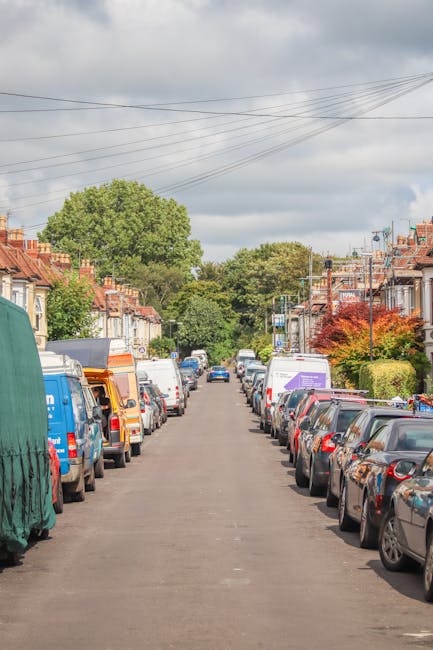
Narrow Street Access? Removals Solutions for New Southgate

If you are moving in New Southgate and the street outside your home feels more like a tight lane than a proper road, you are not alone. Narrow entrances, parked cars, awkward corners, shared driveways, and upstairs flats can turn an ordinary move into a bit of a puzzle. That is exactly why Narrow Street Access? Removals Solutions for New Southgate matters: the right plan can save time, protect your belongings, and reduce stress before the first box even leaves the hallway.
In this guide, we will walk through what makes narrow access moves tricky, how professionals handle them, what to ask before booking, and which service options suit different situations. You will also find a checklist, a practical comparison table, and clear answers to the questions people actually ask when they are trying to move without blocking half the street. Simple enough, really. But the devil is in the details.
Why Narrow Street Access? Removals Solutions for New Southgate Matters
Narrow access is not just an inconvenience. It changes how a move is planned from the ground up. In a place like New Southgate, where streets can be busy, parking may be limited, and homes may sit on tighter residential roads, the moving vehicle may not be able to park right outside the front door. That means more carrying distance, more time, and more chances for items to get bumped on a wall, a gate, or a low ceiling corner.
To be fair, most people only realise this when they start measuring a sofa against a staircase or see a van waiting two streets away because the kerb is blocked. That is the moment when the move stops being about boxes and starts being about logistics.
Good removals planning for narrow streets is about more than size. It is about access timing, loading order, protection for the property, and choosing the right vehicle. A well-matched service can make a cramped road feel manageable, even on a busy morning when everyone else seems to be leaving at once.
There is also the neighbour factor. A move that is chaotic, noisy, or badly parked can create avoidable friction. When the access plan is thought through, you reduce disruption for everyone nearby. That matters more than people think.
How Narrow Street Access? Removals Solutions for New Southgate Works
In practical terms, a narrow-street move usually starts with an access check. A mover looks at the road width, turning space, parking options, nearby restrictions, and the distance from the van to your door. If the vehicle cannot get close enough to your property, the plan changes accordingly.
That can mean using a smaller vehicle such as a man with van or removal van rather than a larger lorry. It can also mean splitting the move into stages, using two people for carrying, or arranging an earlier start when the road is calmer. In some cases, a larger load is moved in a shuttle style: one trip to a safe parking point, then a transfer to the final address.
What works best depends on the building as much as the road. A narrow terraced house with a front step and a tight hallway needs a different approach from a top-floor flat with a shared entrance. If there are stairs, lift access, loading bay rules, or a long walk from the van, those details need to be known in advance. Otherwise, the day can become a bit messy. And nobody wants that at 8:15 on a Monday.
Professional movers will also think about protection equipment, furniture wrapping, and how to sequence the load so the most fragile or needed items are reachable first. That sounds small, but it saves a surprising amount of time when the van is parked a short distance away and every trip counts.
Key Benefits and Practical Advantages
The main benefit of a narrow-access removals plan is control. When access is tight, control matters more than speed. You want less lifting strain, less risk of damage, and fewer surprises on the day. A properly planned move also reduces the likelihood of delays caused by blocked roads or poor parking assumptions.
- Less damage risk: Better handling, shorter awkward carries, and more careful loading reduce knocks and scrapes.
- Improved timing: The move is scheduled around access realities rather than optimistic guesswork.
- Lower stress: You know how the day will run, which is honestly half the battle.
- Better use of vehicle size: The right van is easier to manoeuvre on narrow roads than a large truck.
- More flexibility: Small-access jobs can often be adapted for flats, homes, student moves, and light commercial relocations.
There is another benefit people overlook: better communication. When a mover asks the right questions about access, it usually means they are also thinking about the rest of the move properly. That is a good sign. It shows they are not just turning up with a vehicle and hoping for the best.
For people comparing services, narrow-street planning often pairs well with removal services, flat removals, or even a more flexible home move setup where the load and vehicle can be scaled to the property.
Who This Is For and When It Makes Sense
This kind of removals solution suits anyone whose property access is not straightforward. That includes people living on tight residential roads, terraced streets with limited kerb space, converted houses, maisonettes, and flats above shops or shared entrances. It can also suit people moving on a day when parking is especially difficult or when the road layout makes larger vehicles impractical.
It is also a strong fit for:
- Households with furniture that needs careful handling through narrow hallways
- Tenants moving out of flats with stair access only
- Students needing efficient, low-fuss transport
- Office teams relocating from smaller premises with awkward loading access
- Anyone with bulky furniture that will not play nicely with a tight staircase
If you are dealing with a short-notice move, narrow access can make the clock feel even tighter. In those situations, services such as same-day removals may be worth considering, provided access details are shared early. That way, the mover can decide whether the job is realistic and what support it needs.
Truth be told, the best time to think about narrow access is before you pack the first kettle. If you wait until moving morning, you are already behind.
Step-by-Step Guidance
Here is a sensible way to approach a narrow street move in New Southgate. Keep it simple, keep it honest, and do not guess on anything important.
- Measure the access points. Check the width of the street, driveway, gate, hallway, and stairs. If there is a tight bend or low ceiling, note that too.
- List the large items. Sofas, wardrobes, beds, white goods, and desks all affect the plan. A move with a single bulky wardrobe is different from one with ten medium-heavy items.
- Identify parking options. Note whether a van can stop near the property, or whether there is a nearby legal parking point within a reasonable carry distance.
- Share the details early. Explain the access issue before booking so the team can recommend the right vehicle and staffing.
- Choose the right support level. If you need packing help, consider packing and boxes or packing and unpacking services to reduce last-minute pressure.
- Protect fragile items first. Wrap mirrors, lamps, glass shelves, and artwork before the moving day rush begins.
- Plan the walking route. Make sure hallways are clear, doors can open fully, and there is a safe path from the van to the property.
- Review the loading order. Keep essentials accessible. Don't bury the kettle under six boxes labelled "misc". That way lies chaos.
If you are moving business stock or office equipment, it can be helpful to look at commercial moves or office removals because these jobs often need tighter timing and more structured loading than a standard home move.
Expert Tips for Better Results
Over the years, one thing becomes obvious: narrow access moves go better when people are specific. Not vague. Specific. "It's a bit tight" is not enough. "A medium van can reach the road, but anything larger will struggle past the parked cars" is much more useful.
Here are a few practical tips that make a real difference:
- Use smaller, stackable boxes. They are easier to carry down narrow stairs and less likely to split under weight.
- Keep a clear loading zone. Even a small pavement space can help if it is safe and legal to use.
- Disassemble large furniture where possible. Remove table legs, bed frames, and shelving to reduce awkward angles.
- Protect corners and door frames. A moving blanket or basic padding can save a lot of bother.
- Work out the worst item first. If the sofa or wardrobe is the biggest challenge, plan that move before the rest of the day starts to drift.
A small but useful tip: take photos of the access points the day before. A picture of the street, driveway, or stairwell can tell a mover more than a paragraph of text. It is almost funny how often that one thing clears up confusion.
If storage is part of the plan because the property is too cramped to move everything in one go, then storage can be a sensible buffer. That is especially handy when completion dates, keys, and access timings all feel slightly out of sync.
Common Mistakes to Avoid
Most problems with narrow-access removals come from assumptions. People assume the van will fit. They assume parking will be easy. They assume the hallway is wide enough for a king-size bed. Then moving day arrives and, well, the assumption fairy has a bad day.
- Not mentioning access until the day of the move. This is the big one. Always disclose access issues upfront.
- Booking the wrong vehicle size. Bigger is not always better on narrow streets.
- Underestimating carry distance. A short walk from the van still matters when you are carrying heavy items repeatedly.
- Leaving packing too late. Last-minute packing usually creates extra clutter in the very spaces you need to keep clear.
- Ignoring building rules. Flats, managed buildings, and shared entrances can have practical restrictions even when nobody has written them in big letters.
- Not checking for obstructions. Bins, temporary works, delivery vehicles, and even resident parking can affect access.
There is also a common emotional mistake: trying to "just make it work" on the day, even when the setup is clearly wrong. Sometimes the safer move is to pause, re-plan, and use a smaller vehicle or extra help rather than forcing the issue. That is not failure. That is judgment.
Tools, Resources and Recommendations
You do not need fancy equipment to manage a narrow street move, but a few practical tools make life easier. A tape measure, furniture straps, protective blankets, a dolly or sack truck, and good quality boxes all help. For most domestic moves, the right mix is less about gear and more about preparation.
Recommended support options often include:
- man and van: Good for smaller moves, flexible access, and quick response.
- man with a van: Useful where access is tight and a compact vehicle is better than a larger lorry.
- removals: A broader option when you need a more complete moving service.
- furniture removals: Helpful for bulky items that need careful handling through narrow spaces.
- student removals: Often a good fit for lighter loads and smaller properties.
For larger or more structured moves, a vehicle-based solution such as moving truck or removal truck hire may still be appropriate if the access allows it. The point is not to default to the biggest vehicle. The point is to match the vehicle to the road.
Law, Compliance, Standards, or Best Practice
When a move involves narrow streets, parking, pavements, or shared building access, best practice matters. In the UK, movers and customers both need to think about safety, property damage, and avoiding obstruction. That includes making reasonable efforts not to block traffic, pavements, driveways, or emergency access.
For moving teams, sensible standards usually include safe lifting, clear communication, careful loading, and appropriate vehicle choice. Insurance and safety are part of the picture too, especially when stairs, tight corners, or heavy furniture are involved. It is wise to ask about coverage and handling procedures before the move begins. If you want that side explained clearly, the website's insurance and safety information is a useful place to start, alongside the health and safety policy.
There is also a practical courtesy angle. If access is constrained, a mover should aim to keep disruption to a minimum and work with you to minimise time spent outside the property. That means planning. It means being realistic about timing. And yes, it means accepting that a narrow road is not the place for a casual "we'll see how it goes" attitude.
Options, Methods, or Comparison Table
Not every narrow-street move needs the same approach. The best option depends on the size of the load, distance from the property, and how awkward the access really is. Here is a simple comparison to help you judge the fit.
| Option | Best for | Strengths | Limitations |
|---|---|---|---|
| Man and van | Small to medium home moves, flexible access | Easy to manoeuvre, generally good for tight streets | May not suit very large loads |
| Removal van | General domestic removals with restricted parking | Balanced vehicle size, practical for local moves | Still needs sensible access and loading space |
| Removal truck hire | Larger moves where access is still workable | Higher capacity, fewer trips | Can be harder to park on narrow roads |
| Full removals service | Busy family moves, multi-room properties, complex jobs | More support, often includes packing and loading help | May be more than needed for a small move |
If the road is especially tight, the smaller options are often the better fit. If you have a bigger property but the street access is awkward, a more complete removals service can help with carrying, sequencing, and protection. It really depends on the shape of the move, not just the size of the house.
Case Study or Real-World Example
Picture a typical New Southgate move: a two-bedroom flat on a residential street, parking limited to one side, with a narrow staircase and a sofa that has seen better days. Nothing dramatic, just enough to make a standard move awkward. The resident has packed most items but left the fragile stuff until the last minute, which happens more often than people admit.
The mover arrives with a compact van rather than a larger truck, parks at the nearest sensible point, and checks the stair route first. Large items are taken apart where possible, then wrapped and carried in stages. The boxes are loaded with the heavier ones first, but the kettle and basic essentials are kept accessible because nobody wants to search for a phone charger at the end of a long day.
What made the difference was not speed. It was planning. The access route was understood in advance, the vehicle matched the road, and the work was paced in a way that reduced strain. The move still took effort, of course. Moving always does. But it felt manageable rather than overwhelming, and that changes the whole experience.
Practical Checklist
Use this checklist before moving day. It is short, but it covers the things that usually matter most.
- Measure the street, hallways, stairwells, and door openings
- Confirm parking options and likely carry distance
- Tell the mover about any steps, lifts, gates, or shared entrances
- List large or awkward items separately
- Decide whether you need packing help
- Check whether storage might be useful
- Clear the path inside the property
- Protect floors, corners, and fragile surfaces
- Keep essentials in one easy-to-reach bag
- Share any timing constraints as early as possible
Expert summary: if a street is narrow, the winning formula is usually simple: smaller vehicle, clearer communication, lighter carrying where possible, and a realistic time plan. That combination saves more headaches than people expect.
Conclusion
Narrow street access does not have to derail a move in New Southgate. With the right vehicle size, a sensible loading plan, and honest access details, even a tricky road can be handled smoothly. The key is to plan for the real conditions outside your door, not the ideal ones in your head. That one habit makes a huge difference.
If you are comparing options, start with the access itself. Then match the move to the property, not the other way around. That is the practical way through it, and it usually leads to a calmer day for everyone involved.
Get a free quote today and see how much you can save.
Frequently Asked Questions
What counts as narrow street access for removals?
Usually it means a road, driveway, or approach that makes larger vehicles difficult to park or manoeuvre. It can also refer to tight hallways, steep stairs, narrow entrances, or any setup that increases carrying difficulty.
Can a removals van fit on a narrow New Southgate street?
Sometimes yes, sometimes no. It depends on parked cars, road width, turning space, and whether there is a safe legal place to stop. A smaller vehicle often improves the chances, but access still needs checking.
Is a man and van better than a large truck for tight roads?
Often it is. A man with van setup can be much easier to position on a narrow street, especially for smaller moves or single-property collections. Larger loads may still need a different solution.
How should I prepare if my flat is up several flights of stairs?
Measure the staircase, clear the route, disassemble large furniture where possible, and tell the mover in advance. If packing is not finished, consider help with packing and unpacking services so the day is less frantic.
Will I need to reserve parking for the moving van?
That depends on the street, the local parking setup, and how long the vehicle needs to stay. Even without formal reservations, it helps to think through the nearest practical stopping point before moving day.
What if the van cannot get close to my front door?
Then the move can still work, but the plan may need to change. The team may use a smaller vehicle, more staff for carrying, or a shuttle-style approach. Honest access information is what makes this manageable.
How much does a narrow access move cost?
Costs vary by load size, access difficulty, distance, and the level of service you need. A more awkward property may take longer, so it can affect the price. The fairest approach is to request a tailored quote rather than guessing.
Can narrow street removals be done on the same day?
Yes, in some cases. If the job is straightforward enough and the access details are clear, same-day removals may be possible. It is best to ask early so availability and vehicle choice can be confirmed.
Should I choose storage if my new place is hard to access?
Storage can help when timing is awkward, your new home is not ready, or there is simply not enough space to move everything at once. It is not always necessary, but it can take a lot of pressure off the day.
What items are hardest to move through narrow access?
Sofas, wardrobes, mattresses, large mirrors, fridge-freezers, and boxed items that are heavy but awkward to grip are usually the hardest. Anything long, bulky, or easily scratched needs extra care.
How do I know which removals service is right for my property?
Start with your access limitations, then match them to the scale of the move. For a smaller load, a flexible service such as man and van may be enough. For bigger or more involved moves, a fuller removals service may be the better choice.
Are narrow street removals safe for furniture and walls?
They can be, provided the route is planned and the furniture is protected properly. Good movers use sensible handling, wrapping, and careful positioning to reduce the chance of chips, scuffs, and corner damage.
What should I tell the removals company before booking?
Tell them about road width, parking, stairs, lift access, carrying distance, large items, and any time restrictions. If you have photos, even better. A few good details upfront can save a lot of confusion later.
Moving home should feel like a fresh start, not a test of endurance. With the right narrow-access plan, it can be calmer than you expect, and sometimes that calm is the real win.