Safe Disposal Laws for Old Furniture in New Southgate: What You Need to Know Before You Move It On
If you have a worn-out sofa, a broken wardrobe, or a table that has simply reached the end of the road, the rules around safe disposal laws for old furniture in New Southgate can feel a bit more complicated than they should. Truth be told, most people just want the thing gone without accidentally breaking local waste rules or leaving themselves open to hassle later.
That is exactly why this guide exists. Below, you will find a plain-English explanation of how furniture disposal is usually handled in the UK, what safe and lawful disposal looks like in a New Southgate context, and how to avoid the common mistakes that trip people up. We will also cover practical options, compliance basics, and the smartest ways to arrange collection, reuse, or responsible removal when the job is too heavy, too awkward, or just too much for one weekend.
And yes, the process can be done sensibly. You do not need to guess your way through it.
Why Safe Disposal Laws for Old Furniture in New Southgate Matters
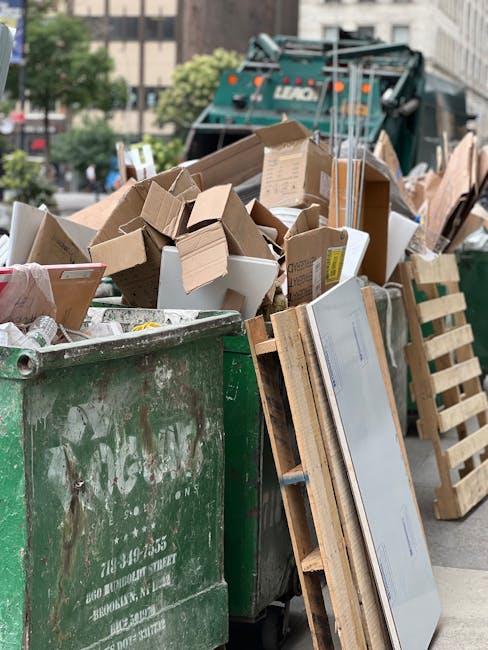
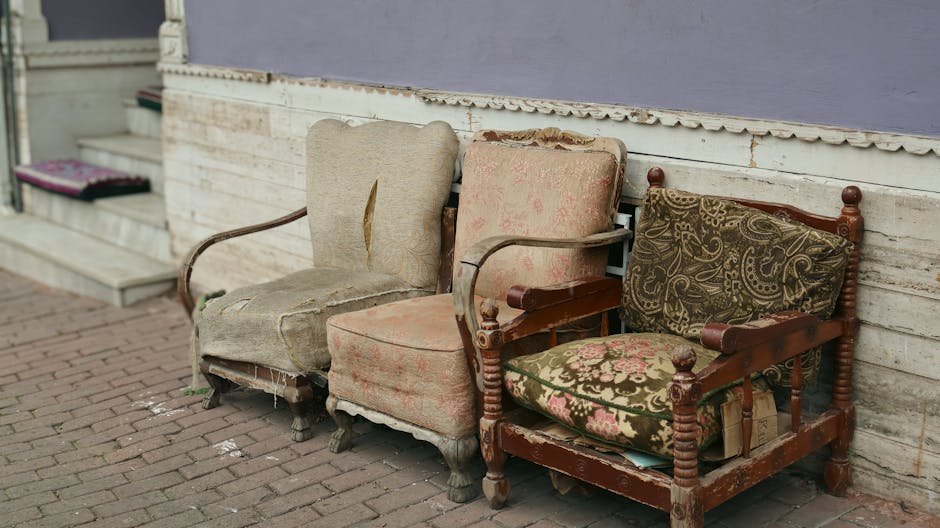
Old furniture is not just a bulky nuisance. It can become a legal, environmental, and safety issue very quickly if it is left in the wrong place, passed to the wrong person, or dumped without care. In areas like New Southgate, where homes, flats, and shared access spaces can be tight, one abandoned armchair in a communal hallway can become everyone's problem by lunchtime.
The core issue is simple: furniture should be disposed of in a way that avoids fly-tipping, protects others from injury, and keeps reusable material out of landfill where possible. A splintered dining chair or a sofa with exposed springs can cause cuts, trips, or damage during handling. A damp mattress left outside can also become a nuisance fast. Let's face it, no one enjoys seeing that kind of mess on a street corner.
There is also a wider responsibility. In the UK, people generally have a duty to make sure household waste is handed to a legitimate collector or taken to an appropriate facility. If furniture is handed over carelessly to an unlicensed person, or dumped in an uncontrolled way, the original owner can still end up facing questions. That is the bit many people miss.
From a local point of view, safe disposal also helps keep New Southgate tidy and makes life easier for neighbours, landlords, managing agents, and block residents. If you are clearing a property between tenancies or after a move, there is usually enough stress already without a furniture pile becoming the final insult.
How Safe Disposal Laws for Old Furniture in New Southgate Works
Furniture disposal does not usually involve one single rulebook that everyone follows in the same way. Instead, it sits within broader UK waste expectations, local collection options, and practical best practice. The law generally focuses on preventing illegal dumping, making sure waste is transferred responsibly, and reducing risks to people and the environment.
In practical terms, that means you should think about three questions before anything leaves your property:
- Can the item be reused, repaired, or donated?
- If not, can it be collected by a responsible furniture removal service?
- Does it need to go to an authorised reuse or waste facility?
For many households, the easiest route is a managed pick-up by a reputable removal provider that understands heavy lifting, safe transport, and lawful disposal. Services such as furniture pick up can be especially useful if you have multiple items or awkward access, because the practical side is where most problems start. Narrow stairs, lift restrictions, and the classic "it looked smaller in the room" issue all matter.
If the furniture is still usable, rehoming it may be the cleanest outcome. If it is no longer fit for use, then it should be broken down and carried away in a way that keeps sharp edges, dust, and loose fittings under control. That is not just polite; it is safer for everyone touching the item, including the person doing the lifting.
One small but important point: the safest legal route is often the one that leaves the clearest trail. A proper provider can usually explain how the furniture will be handled, what happens to reusable items, and how non-reusable materials are managed. That transparency matters more than people think.
Key Benefits and Practical Advantages
Following safe disposal rules is not just about avoiding trouble. It genuinely makes the whole process easier.
1. Less risk of fines, complaints, or fly-tipping issues. If items are left in the wrong place or handed to the wrong collector, you can create unnecessary legal and neighbour problems. A clean, documented disposal route helps prevent that.
2. Better safety during lifting and transport. Furniture is deceptively awkward. A chest of drawers may not be huge, but if it shifts on stairs or catches on a bannister, that is when scratches, back strain, and broken fingers happen. Not glamorous, but real.
3. More reuse and less waste. Many old furniture items still have some life left in them. A careful approach means usable items can be passed on rather than discarded. That is better for the environment and often better for your conscience too.
4. A quicker property handover. If you are moving out, managing a tenancy, or clearing an office, proper furniture removal helps you meet deadlines without last-minute panic. That final sweep of an empty room feels much better when the big items are already gone.
5. Less clutter, less stress. A room opens up instantly once the old sofa or desk leaves. You notice the echo. The place breathes again. Small thing, maybe, but it helps.
For anyone planning a wider move, combining furniture disposal with general removal support can be efficient. Many customers pair clearance with man and van help or a broader removal services booking, especially when there are mixed items to deal with.
Who This Is For and When It Makes Sense
This topic matters to a surprisingly wide group of people. If you live in New Southgate and are dealing with old furniture, there is a good chance you fall into one of these situations:
- You are moving home and need to clear items before the move.
- You are replacing furniture after a refurbishment.
- You are a landlord or letting agent preparing a property between tenancies.
- You are a tenant trying to leave a flat clean and compliant.
- You are handling an office or business clear-out.
- You are helping a family member downsize or clear a house.
It also makes sense when the item is too heavy for a car, too awkward for stairs, or too large to dismantle safely on your own. A sofa bed in a narrow hallway is the kind of task that makes even calm people mutter under their breath. If that sounds familiar, you are not alone.
There is also a timing element. If your collection deadline is tight, if parking is limited, or if you cannot leave the item outside without causing obstruction, it is usually better to plan removal properly rather than "just getting rid of it later". Later has a habit of becoming never.
For bigger clearances, people often look at a combination of moving support and loading help, using options such as movers or even man with van support to get the job done in one visit. That can be especially useful if the furniture is part of a broader home or office change.
Step-by-Step Guidance
If you want the simplest safe route, use this sequence. It keeps the process orderly and reduces the chances of last-minute mistakes.
- Sort the item by condition. Ask whether it can be reused, repaired, or needs disposal. If it still works and is safe, reuse should usually come first.
- Check for hidden risks. Remove loose glass, broken fixings, protruding nails, batteries, or anything that could cause injury in handling.
- Measure access. Look at stairs, door widths, lifts, parking, and loading space. This sounds basic, but access causes half the headaches.
- Decide how it will leave the property. You may need dismantling, wrapping, or two-person lifting. Bigger items should not be winged. Seriously.
- Choose a responsible disposal route. Use a lawful collection or transfer option. If you need help with the physical move, a provider offering man with van removal can be a practical fit for smaller loads.
- Ask where the item is going. A trustworthy service should be able to tell you whether items are being reused, recycled, or taken to an authorised facility.
- Keep a record if needed. If you are a landlord, business owner, or managing a property, save booking details and any disposal confirmation for your files.
One realistic tip: photograph the furniture before collection if you are clearing a property for compliance reasons. It is a small thing, but it can help later if you need to show the condition and removal status.
And if you are dealing with multiple rooms, don't try to do the whole lot after a long day with a takeaway and a fading torch battery. That never ends well.
Expert Tips for Better Results
Over time, a few habits make furniture disposal much smoother.
Plan the route before the item moves. Open doors, clear rugs, and protect corners. It saves time and reduces damage. The surprising thing is how often people forget the hallway is narrower with a bin and two shoes on the floor.
Break large pieces down where safe. Flat-pack style furniture is often easier to manage once it is partly dismantled. But only do this if the fixings are sound and the item will not become unstable or hazardous halfway through.
Match the vehicle to the job. A few items can be handled differently from a full flat clearance. If the load is heavier or more awkward, consider options like a removal van or a larger vehicle service rather than improvising with a small car and a prayer.
Think about reuse first, but be realistic. A scratched sideboard might still be usable. A sofa with structural damage or severe staining probably needs disposal. Be honest about the condition, because that saves time and awkward conversations.
Use proper lifting technique. Keep the load close, bend at the knees, and do not twist while carrying. It sounds repetitive because, well, it is. Your back will thank you later.
Choose clarity over speed. A quick collection is great, but not if it is done in a way that cuts corners. A reputable provider should be clear about costs, handling, and the route the furniture will take after collection. If the explanation is fuzzy, that is a warning sign.
Where recycling is possible, make sure the provider is following sensible environmental practice. You can read more about this approach on the site's recycling and sustainability page, which reflects the broader focus on responsible handling rather than a throw-it-anywhere attitude.
Common Mistakes to Avoid
Most furniture disposal problems are avoidable. Here are the big ones.
- Leaving items on the pavement without checking local rules. This can create obstruction, attract complaints, or be treated as fly-tipping depending on the circumstances.
- Assuming "someone will take it". Not every informal collector is legitimate. If you cannot verify who they are or how they handle waste, think twice.
- Skipping access checks. Many collections go wrong because the item does not fit through the stairwell or cannot be turned in the hall.
- Forgetting to dismantle safely. Rushed dismantling can cause splinters, sharp edges, or broken fittings.
- Mixing furniture with general rubbish. That makes sorting harder and can increase the chance of improper disposal.
- Not asking what happens next. If a provider cannot explain the disposal route, that is worth querying.
There is also a quieter mistake: waiting until the last 24 hours. Everyone does it once, at least. But with bulky furniture, last-minute decisions often mean you pay more in stress, not just money.
Tools, Resources and Recommendations
You do not need a van full of specialist kit to manage old furniture well, but a few basic tools make a real difference.
- Measuring tape for doors, stair corners, and vehicle access.
- Work gloves to protect your hands from splinters and sharp brackets.
- Furniture blankets or wrapping for moving items through shared spaces.
- Basic screwdriver or hex key set for dismantling where appropriate.
- Labels or tape to mark reusable, donate, or dispose piles during a clear-out.
For service-based support, it helps to compare providers on more than price alone. Look at the overall professionalism, whether they give straight answers, and whether they can handle mixed loads. A decent removal company should be able to explain process and expectations without making it sound like rocket science.
If you are handling a whole-house clear-out, you may also need packing help and careful item sorting. That is where packing and unpacking services can be relevant, especially when furniture removal is only one part of the job.
Finally, if your project overlaps with a move, check the provider's approach to insurance, safety, and payment clarity. Those details matter more than people realise when a stair rail gets knocked or an item turns out to be heavier than expected. The site's insurance and safety and payment and security pages are useful trust signals if you are comparing options.
Law, Compliance, Standards, or Best Practice
Furniture disposal in the UK sits under general waste and environmental expectations rather than a single rule for every household. That is why people sometimes get confused. The safe approach is to think in terms of responsibility, traceability, and reasonable care.
In plain English, this means:
- Do not dump furniture in public spaces, alleyways, or shared land.
- Do not hand it to someone who cannot explain what they will do with it.
- Do not assume that if it is "only one chair" the rules no longer matter.
- Do make reasonable efforts to use reuse, recycling, or legitimate disposal routes.
If you are a landlord, letting agent, or business owner, your compliance burden is typically higher because you may need to show that waste was managed responsibly. A brief note, invoice, or collection record can make life much easier if questions come up later. Not exciting, but very useful.
Best practice also includes protecting people during movement. That means preventing trip hazards, avoiding unsafe lifting, and not blocking shared access ways for longer than necessary. A provider with a published health and safety policy is often a good sign that those issues are taken seriously rather than treated as an afterthought.
If you are uncertain about the right route for a particular item, especially something with glass, electrical parts, or contamination, it is better to ask before moving it. A cautious question now is a lot cheaper than a problem later.
Options, Methods, or Comparison Table
There is more than one sensible way to dispose of old furniture. The best choice depends on condition, time, access, and how much lifting you want to do yourself.
| Option | Best for | Pros | Watch-outs |
|---|---|---|---|
| Reuse or donation | Usable furniture in decent condition | Lower waste, often faster for the right item | Not suitable if damaged, dirty, or unsafe |
| Responsible collection service | Single items or small clear-outs | Convenient, less lifting, practical for tight access | Choose a provider with clear handling and disposal practices |
| Household disposal route | General household furniture that must be removed properly | Structured and safer than leaving items outside | May require more planning and lifting |
| Full clearance support | Multiple rooms, moving day, probate, or end-of-tenancy jobs | Efficient for larger volumes, less stress | Needs scheduling and clear scope |
For small loads, a straightforward man and van removals arrangement can be a good fit. For larger domestic jobs, many people prefer more structured house removals support because it keeps the whole process under one roof, so to speak.
If you are clearing a workspace rather than a home, commercial options may be more appropriate. In that case, commercial moves or office removals may be the better comparison point, especially where desks, shelving, and mixed furniture need managing together.
Case Study or Real-World Example
A realistic example: a family in New Southgate is moving out of a two-bedroom flat and replacing a sofa, coffee table, and bedroom wardrobe. The sofa is too worn to donate, the wardrobe is partly dismantled, and the building has a narrow shared staircase with limited parking outside.
Instead of dragging the items down in pieces over several trips, they first measured the stairwell and hallway, checked which screws were needed to finish dismantling the wardrobe, and booked a collection that could handle the load in one go. The provider arrived with the right vehicle, protected the communal area, and removed everything without blocking access for neighbours. Simple. Not effortless, but simple.
The key win was not just speed. It was the lack of drama. No scraped walls, no improvised lifting, no awkward moment where the sofa gets stuck halfway down the stairs while someone says, "It was fine going up."
That kind of outcome is what safe furniture disposal should look like: tidy, lawful, and calm enough that you can get on with the next thing in your day.
Practical Checklist
Use this before you arrange disposal or collection.
- Have I checked whether the furniture can be reused or repaired?
- Have I removed personal items, loose fittings, and anything breakable?
- Do I know the item's dimensions and weight well enough to plan access?
- Have I measured doors, stair turns, lifts, and vehicle space?
- Do I know whether dismantling is needed?
- Have I chosen a lawful collection or disposal route?
- Have I asked what happens to the furniture after collection?
- Have I protected floors, walls, and shared spaces?
- Have I kept booking details or records where needed?
- Have I checked the provider's safety and insurance information?
If you can tick most of those off, you are already ahead of the game. It really does cut out a lot of avoidable trouble.
Conclusion
Safe disposal laws for old furniture in New Southgate are not there to make your life awkward. They exist to keep waste moving responsibly, protect people from avoidable injury, and reduce the ugly fallout from careless dumping. Once you strip away the jargon, the message is fairly straightforward: check the condition, choose a lawful route, plan the lift, and use help where needed.
For many homes and businesses, the smartest move is to combine practical transport with careful disposal planning, especially when time, access, or weight is an issue. That way, you are not just getting rid of old furniture; you are doing it in a way that feels settled, tidy, and properly handled. Nice and clean. As it should be.
If you are comparing options now, it helps to look at the wider service picture too, including about us, terms and conditions, and the available support for removal services. A clear provider is usually a safer provider, and that matters when you are moving bulky items out of a property.
Get a free quote today and see how much you can save.
Frequently Asked Questions
Can I leave old furniture outside for collection in New Southgate?
Not without checking the proper collection rules first. Leaving furniture outside can create obstruction, attract complaints, or be treated as fly-tipping in some cases. It is better to arrange a lawful pick-up or disposal route and avoid guesswork.
What counts as safe disposal for old furniture?
Safe disposal usually means the item is reused, recycled, or collected and transferred responsibly without creating a hazard. It should not be dumped, abandoned, or handed to an unverified collector.
Do I need to dismantle furniture before disposal?
Sometimes, yes. Dismantling can make large items easier and safer to move, especially where staircases, small lifts, or narrow hallways are involved. But only dismantle items if it is safe to do so and the structure will not collapse or create sharp hazards.
What if my furniture is still in good condition?
If it is safe and usable, reuse should usually come before disposal. That might mean donation, resale, or passing it on. The better the condition, the more likely it can avoid the waste stream altogether.
Is it illegal to dump old furniture in the street?
Yes, dumping furniture in public areas can lead to enforcement action because it is essentially uncontrolled waste disposal. Even one item can cause a problem if it blocks access or is left where it should not be.
How do I know if a furniture removal service is legitimate?
Look for clear communication, transparent handling, sensible safety practices, and straightforward explanations of what happens to the furniture after collection. If the answers are vague, keep looking.
Can a removal company take away broken furniture?
Yes, many can, provided they are set up to handle bulky waste and the item is safe to transport. Broken furniture should be handled carefully so sharp edges or loose parts do not injure anyone.
What should landlords in New Southgate do about abandoned furniture?
They should document the situation, arrange removal through a responsible route, and keep records where appropriate. It is better to deal with the item properly than to let it sit and become a complaint or safety issue.
Is it worth paying for collection instead of doing it myself?
Often, yes, especially if the furniture is heavy, awkward, or part of a larger move. Paying for a professional collection can save time, protect your property, and reduce the risk of injury.
What's the safest way to move a sofa out of a tight flat?
Measure first, clear the route, protect surfaces, and use enough people or the right service for the job. Sofas are notorious for catching on corners and bouncing back at the worst possible moment. Nobody needs that kind of drama.
What records should I keep after furniture disposal?
If you are a landlord, business owner, or managing a property handover, keep invoices, booking confirmations, and any notes about collection or transfer. Those records can help demonstrate responsible disposal if questions come up later.